The qualification must serve the student long after the final match.
For UK footballers & their families
Your Football.
Your Degree.
Your American Experience.
Keep playing at a serious level while earning a university degree in the United States. We build and manage the route from sixth form to campus, then stay with you through graduation and beyond.
Chapter one
The Opportunity
at a Glance
The United States is the world’s number one destination for international students. This is not a niche opportunity—it is a well-established, well-funded system, and with the right guidance, it is absolutely accessible to you.
1.2MInternational students studying in the U.S. in 2024/25
$55BContributed to the U.S. economy by international students annually
25K+International student-athletes competing in NCAA sport
$4BIn athletic scholarships awarded by U.S. colleges each year
More than a placement
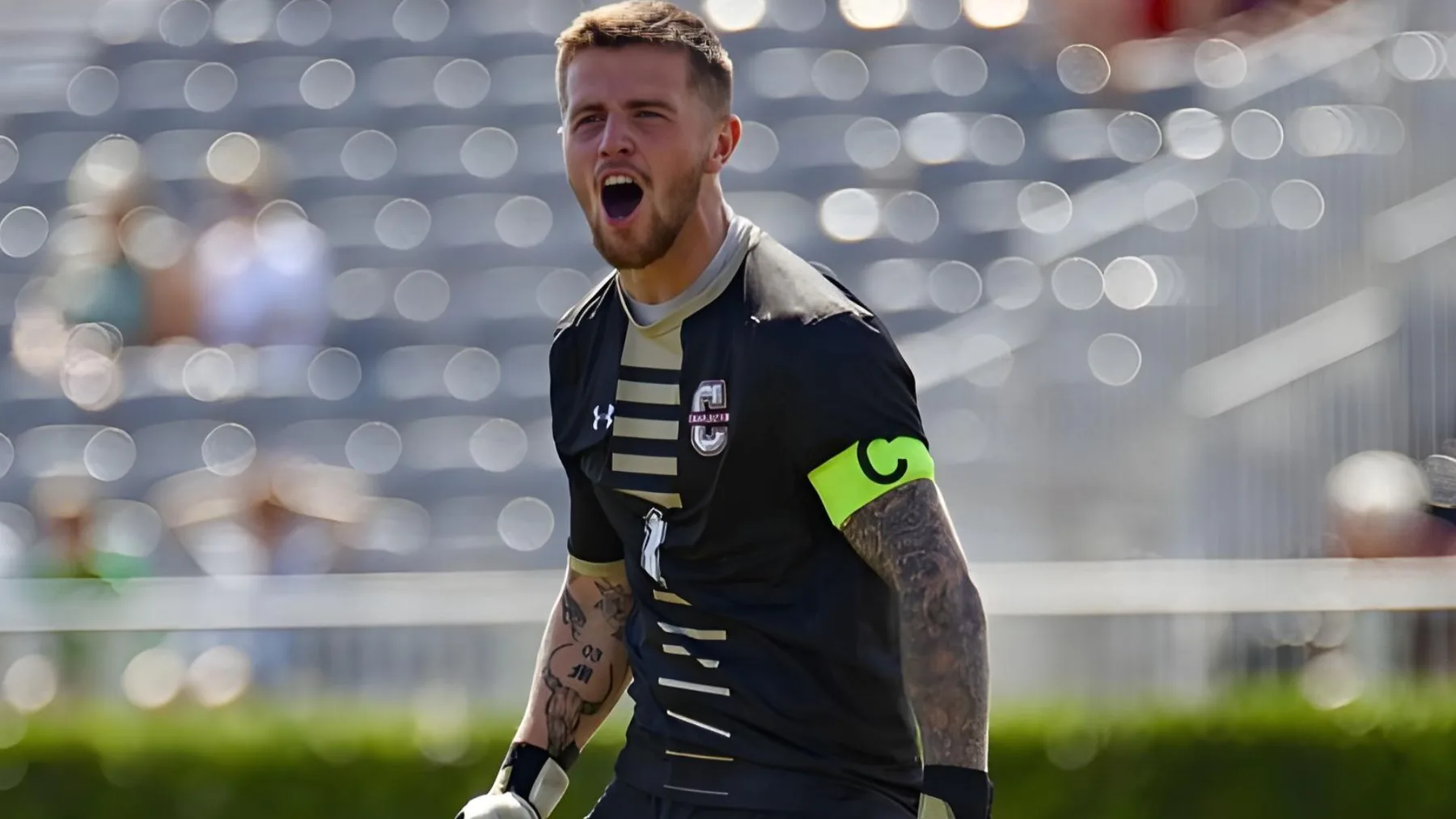
Imagine the next four years without giving up the game.
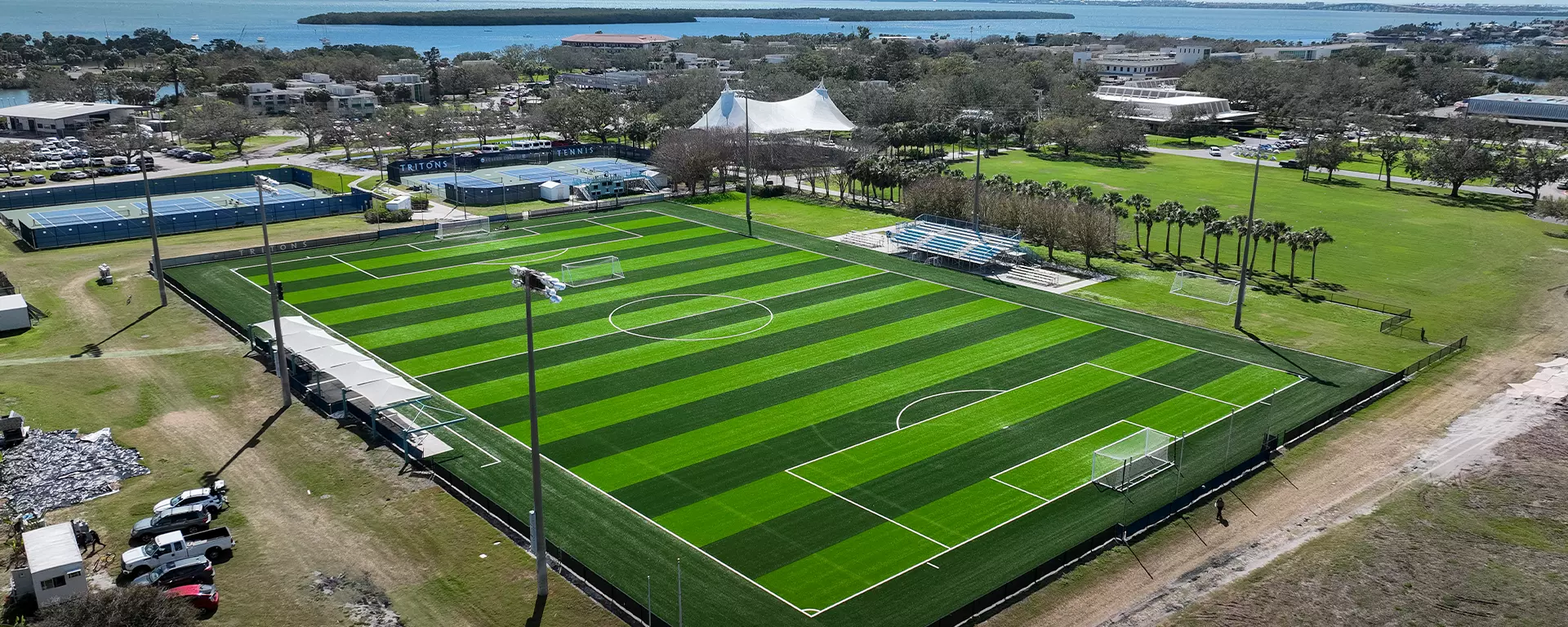
Train and compete every week. Live on an American campus. Travel with your team. Build friendships from around the world. Earn a degree that moves your life forward. The U.S. college route gives British footballers a rare chance to pursue all of it at once.

For British students
A-levels & BTEC can create an academic head start.
Prior learning credits
Strong A-level or eligible BTEC study can sometimes be assessed for university credit, reducing repetition in your degree plan.
More room to explore
Accepted credit can create space for a dual major, a minor, internships, or a broader mix of subjects.
A route to a master’s
With careful planning, some athletes complete undergraduate requirements earlier and use remaining eligibility toward graduate study.
Credit awards and degree timelines vary by institution, qualification, subject and grade. We review the academic picture with each family and the receiving university.
The placement guide · what every family should understand
The right decision starts with knowing the system.
A successful placement is not simply finding a coach who says yes. It is aligning the degree, eligibility, football level, cost, visa, campus and long-term plan. Here is the knowledge we want every family to have before they decide.
Level, minutes, coaching style and development matter more than a famous badge.
Every offer is compared across tuition, housing, meals and every form of aid.
02The American academic system
Four years, built with more flexibility than most UK families expect.
A standard bachelor’s degree runs across eight semesters: autumn from late August to mid-December and spring from mid-January to May. Students usually take around five classes each semester, moving from freshman to senior while choosing a major and shaping the wider degree around it.
Roughly 40 classes to graduateGeneral education, major requirements and electives combine into one degree plan.
Majors, minors and dual majorsThe system can support broader study or two connected areas of specialism.
Credits can change the timelineAdvanced prior study may reduce repetition and create more room in the plan.
Graduate study can followRemaining eligibility and careful planning can open a route into a master’s degree.
03Visa & work opportunities
Your student visa supports the degree. Your degree can create options beyond campus.
International students normally study on an F-1 visa for the duration of their programme. After completing each degree level, eligible graduates can apply for Optional Practical Training in work related to their field of study.
F-1The student visa used for full-time study at an approved U.S. institution.
OPTPost-study work authorisation connected to the subject studied.
Up to 3 yearsPotential work authorisation for eligible STEM graduates through the OPT extension.
04The athletics structure
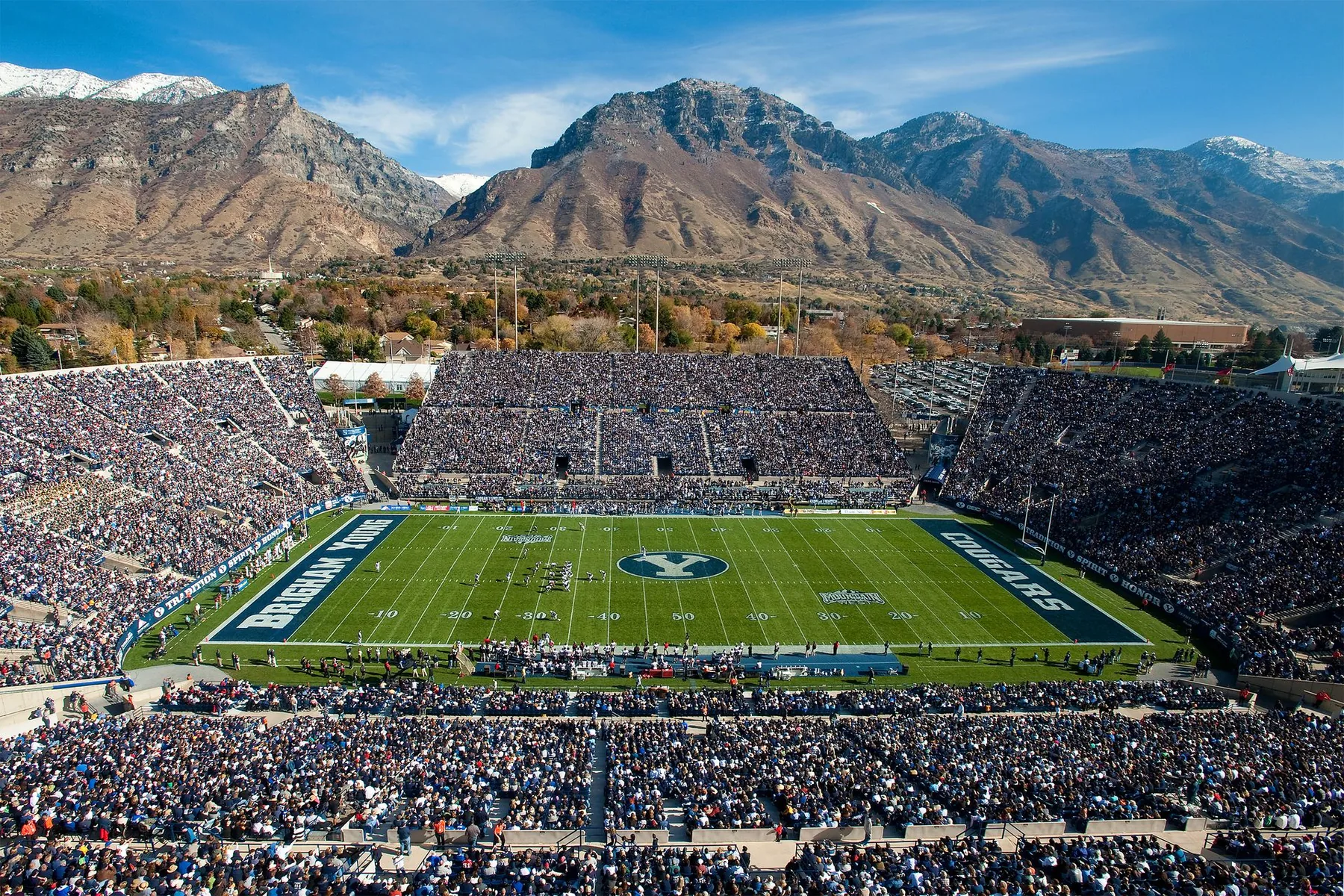
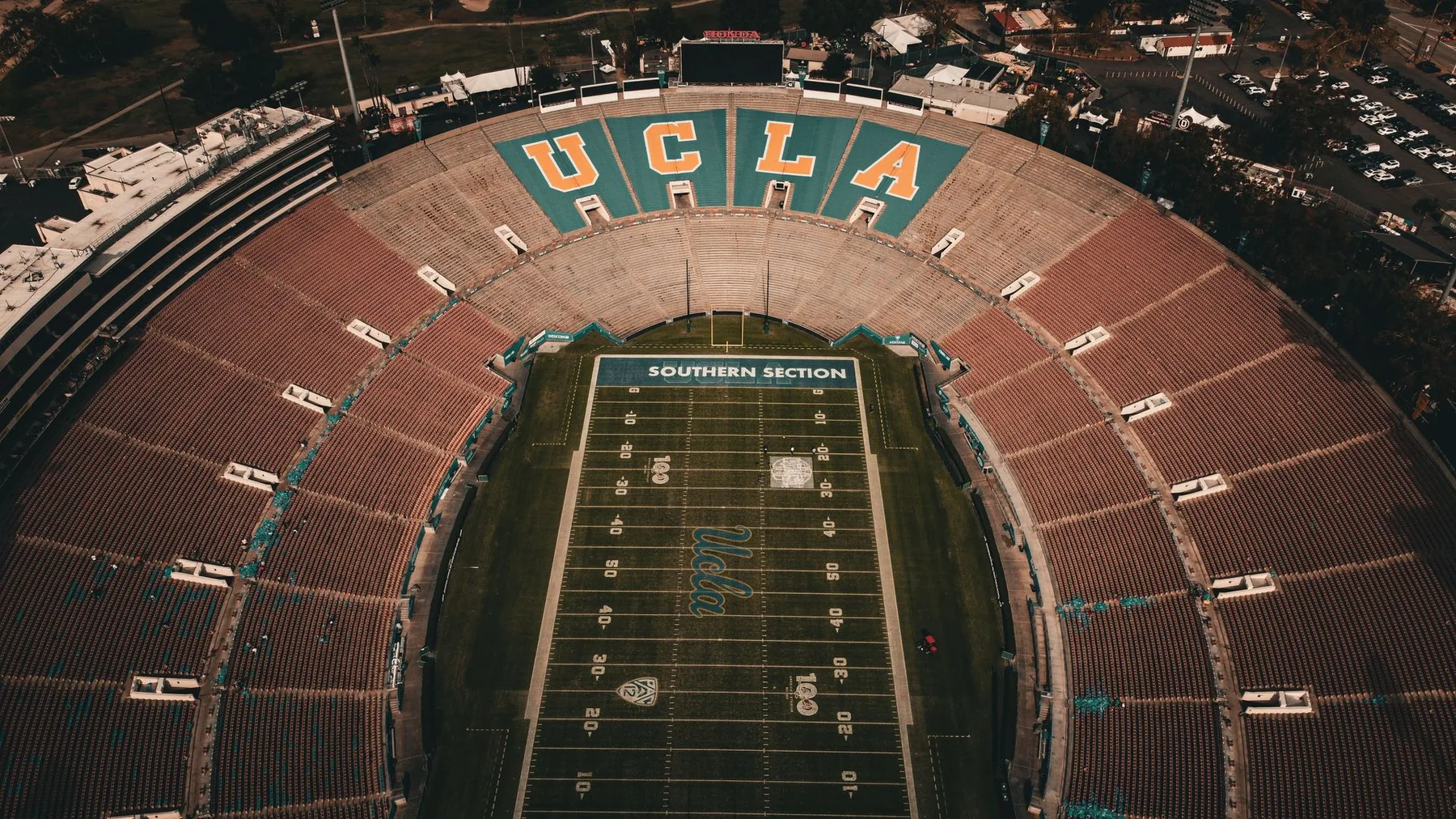
There is no single “college football level.” There is a landscape of different opportunities.
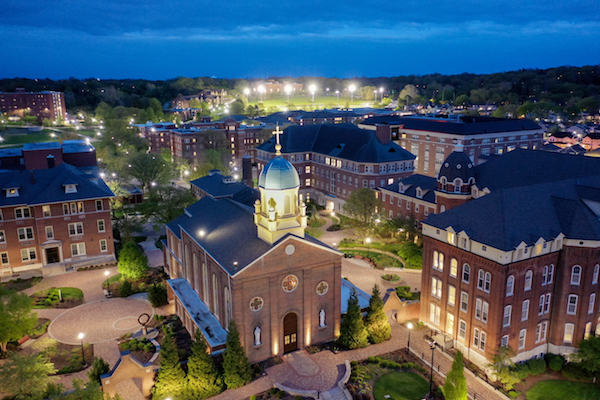
The right home depends on academics, current level, development ceiling, playing opportunity, coaching environment and financial package. A smaller badge with the right role can be a far better decision than a bigger name with no clear pathway.
NCAA Division IHighest profile, larger budgets and intense year-round expectations.
NCAA Division IIStrong competition with a broad mix of athletic and academic balance.
NCAA Division IIICompetitive football, no athletic scholarships, but strong academic aid potential.
NAIACompetitive, often scholarship-rich programmes with flexible recruiting environments.
NJCAAA two-year development and academic route before transferring to a university.
05Choosing your pathway
Start at a four-year university—or use two years to build toward one.
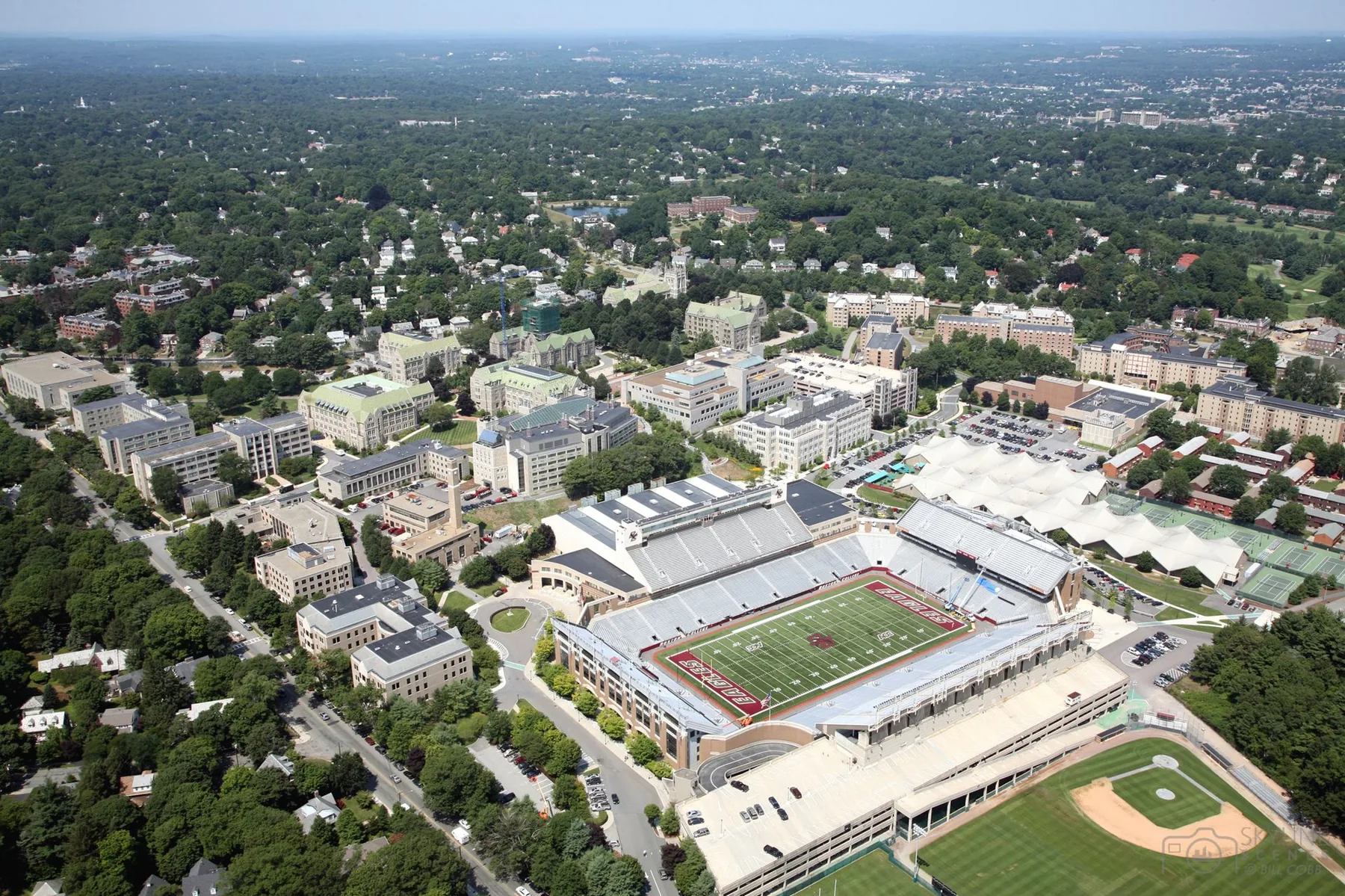
Both routes can lead to a bachelor’s degree and the full American college experience. The decision should reflect the player’s academics, football readiness, finances and preferred campus environment—not a one-size-fits-all hierarchy.
Route oneFour-year university
Join a bachelor’s programme from the start, settle into one campus and potentially compete there throughout the degree.
Route twoTwo years + transfer
Begin at a two-year college, often at a lower cost, develop academically and athletically, then transfer into a four-year university to finish the degree.
06Costs & scholarships
A scholarship is not one number. It is a package.
The core cost normally combines tuition and fees, housing and meals. The most effective packages can blend several sources of support, and in some cases cover a substantial share—or the entirety—of the cost. We compare what a family will actually pay, not the headline percentage.
Athletic scholarshipSupport attached to sporting recruitment
Academic scholarshipAid linked to grades and qualifications
Housing supportCampus accommodation waivers or awards
Meal supportFull or partial dining-plan assistance
07The recruiting timeline
Start twelve months ahead if you can. More time usually means more choice.
College coaches commonly recruit well before a player’s intended start date. Beginning early gives us time to improve the profile, target the right programmes and let genuine options develop rather than forcing a late decision.
01Build the evidenceFootball footage, academic records, eligibility details and a credible player profile.
02Create conversationsTargeted coach outreach, introductions, programme evaluation and honest feedback.
03Compare the offersScholarship, total cost, degree, playing fit and the roadmap through graduation.

The pathway, proven
The destination is not theoretical. Our students are already there.
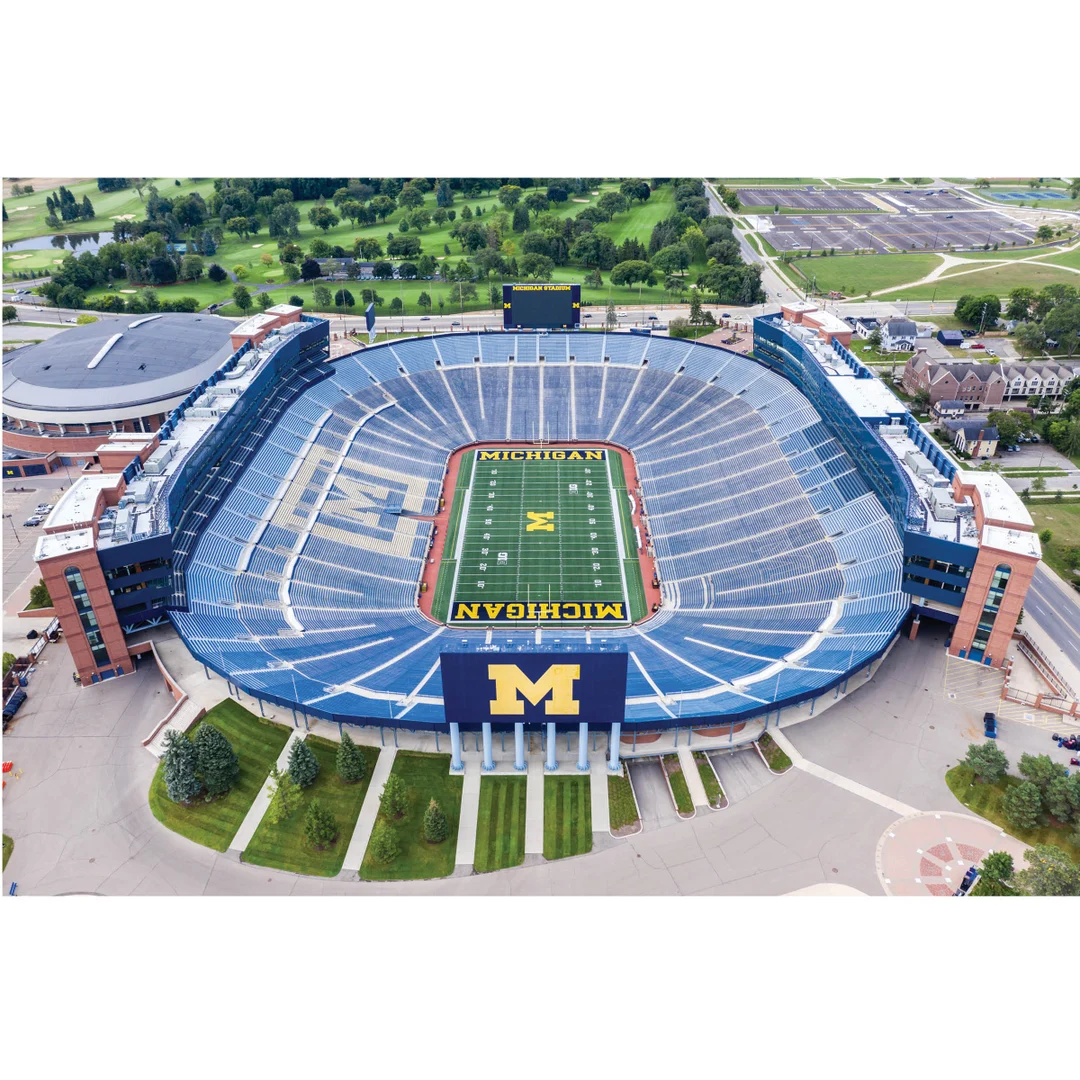
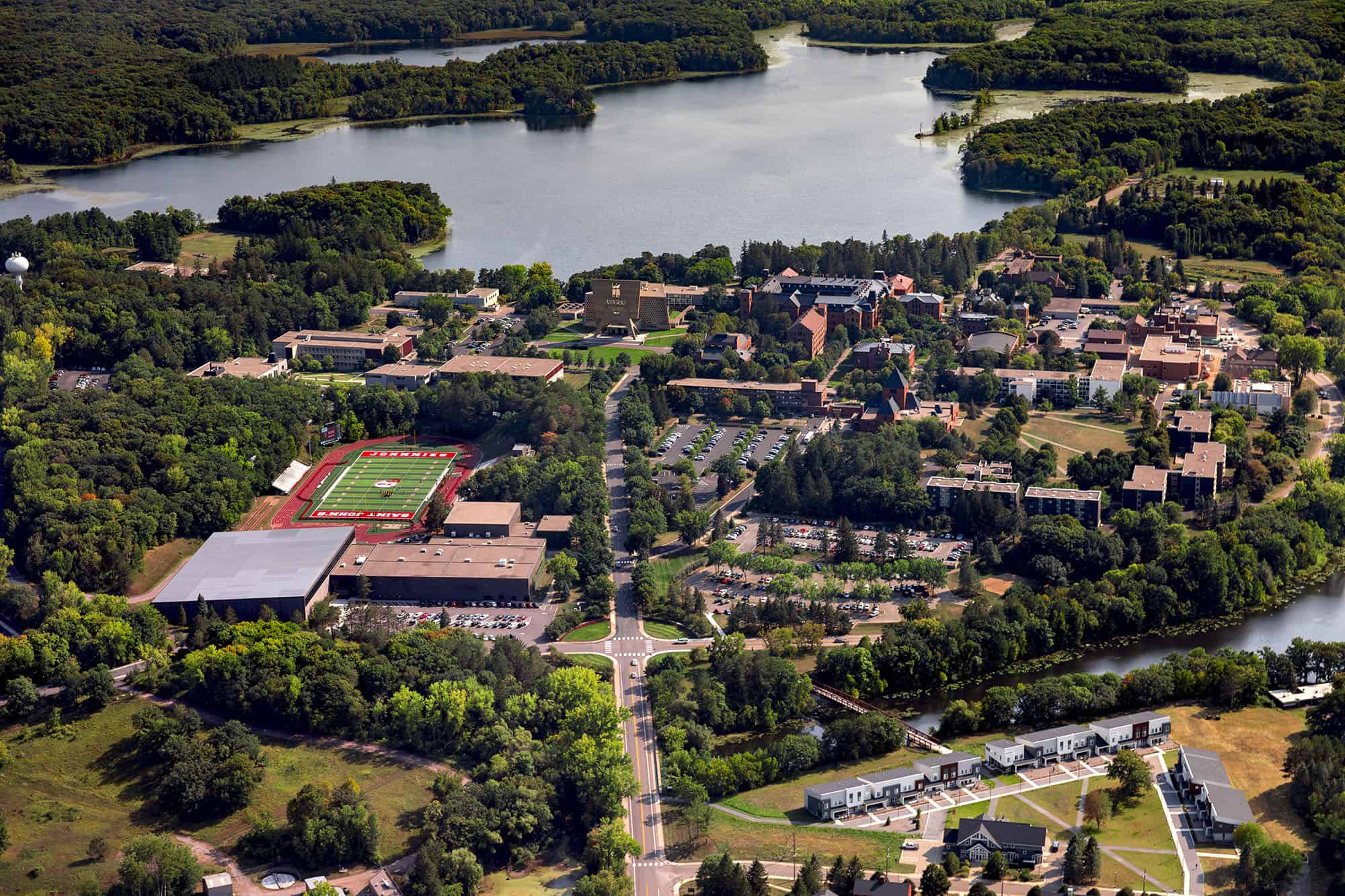
Across divisions, regions and academic profiles, we have built relationships and managed placements at colleges throughout the United States.
Class of 2025/26 — Where Our Students Enrolled








Full management
Full management means exactly that.
Every student-athlete is different. Age, academic level, athletic ability and grade all shape the journey we design. We work closely with each family to build a clear roadmap, from their unique starting point to their end goal, on and off the field.
What full management looks like
From first evaluation to your first day on campus.
An honest assessment of football level, academics, budget and goals.
We build and manage the recruiting profile, footage and academic material.
We identify and approach the right coaches, programmes and opportunities.
We evaluate and negotiate scholarship packages on your family’s behalf.
We compare every option clearly as the commitment decision approaches.
Full guidance through the F-1 visa, travel and arrival on campus.
Ongoing management
The plan does not end at commitment. From day one through graduation—high school, university or graduate school—we remain your retained expert, monitor the plan and stay with the family for the whole journey.
Working with Oliver was a great experience. He is extremely professional, transparent, and trustworthy. What stood out most was his ability to clearly explain the end-to-end journey, set the right expectations, and guide us every step of the way.Gustavo AlvarezFather of Mikel Alvarez · Miller School of Albemarle, Virginia
Chapters eight & nine · the journey, managed
For your family, it may feel overwhelming. For us, it is Tuesday.
A new country, education system, football environment and visa process creates hundreds of moving parts. We have navigated them for hundreds of families.
The right institution, division, location and academic fit—based on honest assessment.
Multiple options compared properly, with the full cost understood before you decide.
F-1 process, I-20, documentation and interview preparation managed with you.
Flights, housing, phone, banking, orientation and class selection organised.
Academic progress, coach or administration issues, transfers and family support.
OPT and STEM OPT guidance, graduate study and what comes next.
The details matter
We handle the logistics. You focus on performing.
- Family portal for key documents
- Direct WhatsApp communication
- F-1 visa and I-20 coordination
- NCAA, NAIA or NJCAA registration
- Housing and roommate support
- Flights and arrival planning
- U.S. phone and banking setup
- Academic and grade monitoring
- Transfer management if needed
- OPT and STEM OPT guidance
The proof · players & families
What happens after the promise matters most.
Different starting points. Different colleges. The same long-term commitment to the person, the player and the plan.
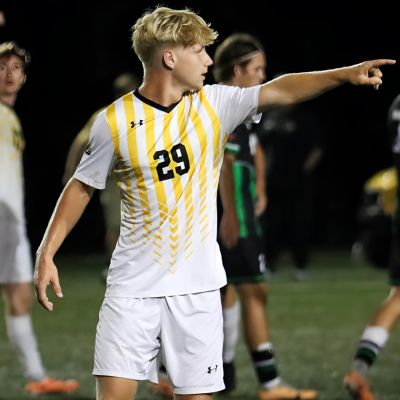
“Five years on and Oliver Charles are still managing my son's journey. From the first conversation, they kept their word—the placement, support and check-ins. Louis has thrived at Millersville and we are now planning his next steps together.”Scott WrightFather of Louis Wright · Millersville University
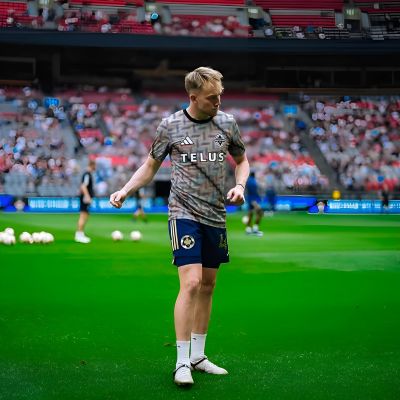
“After being released from Bradford City, I did not know what my next step looked like. Oliver Charles placed me at Hofstra, where I had an incredible experience academically and on the field. That pathway led to the MLS draft.”Eliot GoldthorpHofstra · Vancouver Whitecaps · Pittsburgh Riverhounds
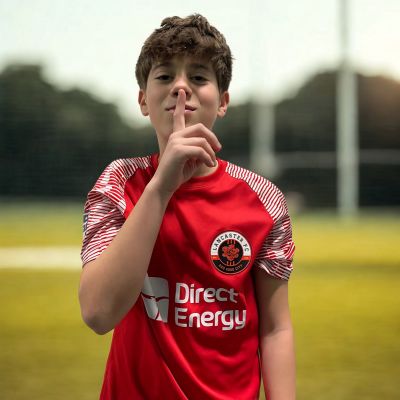
“We trusted Oliver Charles with Marc after he was released from Valencia's academy at 14. Their full-time residential environment was exactly what he needed—not only to develop physically, but to grow as a young man.”Nacho GinerFather of Marc Giner · OCR Residential · Southern Utah

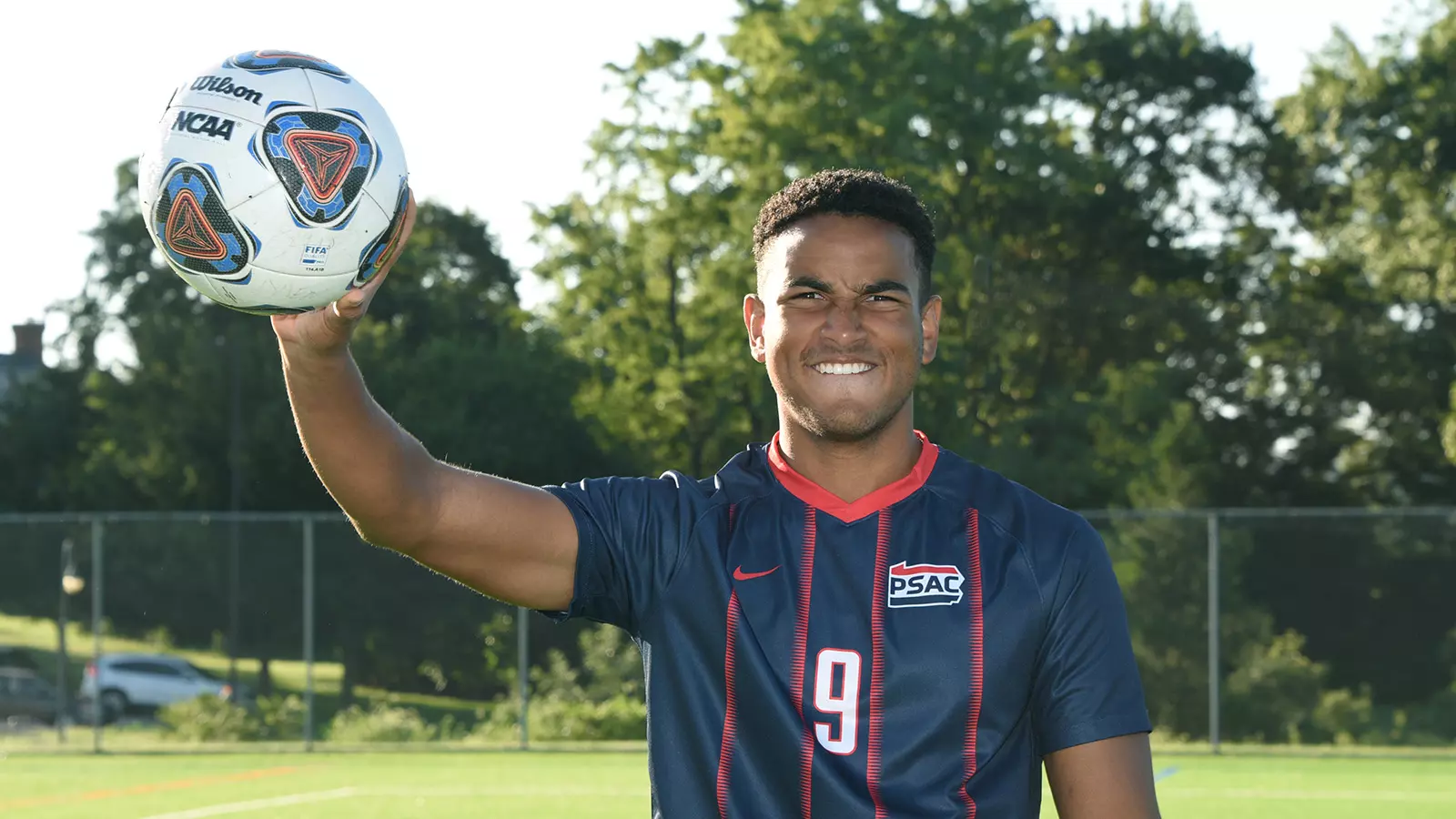
“When I first contacted Oliver Charles, I could not speak a word of English. They built a plan and guided every step. Now I am graduating NCAA Division I with my business degree and staying for my MBA and a final season.”Rikiya UraOral Roberts University · NCAA Division I · Business & MBA
Chapter nine · beyond the bachelor’s
“Shippensburg became home. I made friends for life, competed at a high level and earned my degree. OCSM then helped me stay for my master’s in Sport Management—and now I’m working as a junior agent within the agency. The whole journey started with one conversation.”Seth Crabbe · Shippensburg University
And the pathway keeps moving
From campus to what comes next.
For some, the next chapter is graduate study. For others, it is the professional game. The pathway changes, but the management continues.
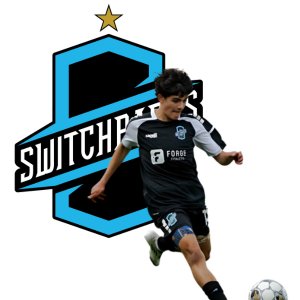
“The residential environment taught me what it means to live as a full-time player. Training daily and being held accountable helped me grow fast and prepared me for earning my academy contract.”Dane ValentiColorado Switchbacks
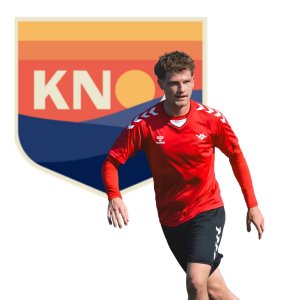
“OCR guided me through the transition from college soccer into the professional game. They helped me understand what was needed to take that next step and be ready for it.”Teddy BakerOne Knoxville
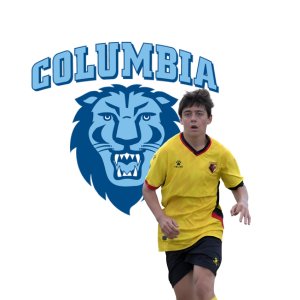
“I attended the OCR summer camp and it played a big role in my development. The level of coaching and structure helped prepare me for the demands of college soccer at Columbia.”Yianni GoulandrisColumbia University
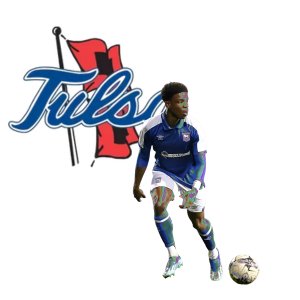
“OCR supported me through the recruiting process and helped me take the next step into college soccer. Their guidance made a real difference in finding the right opportunity.”Nick NkansaUniversity of Tulsa
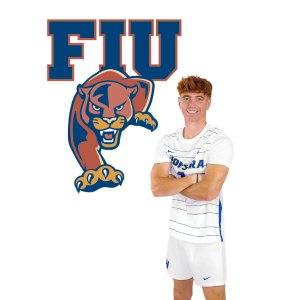
“Oliver Charles opened doors I didn’t know existed. The placement process was smooth, professional, and they were with me every step of the way.”Owen BarnettFlorida International University
Questions from UK families
The questions every family asks before they start.
Can I play football and study for a degree in America at the same time?
Yes. That is exactly how the U.S. college system works: you are enrolled as a full-time student and compete for your university’s team, with coaching, facilities, travel and medical support built into student life. Hundreds of British players start this journey every year across NCAA, NAIA and NJCAA programs.
Do A-levels or a BTEC count towards a U.S. degree?
Often, yes. Many U.S. universities award transfer credit for A-levels and some BTEC qualifications, which can mean starting with credits already banked and finishing a four-year degree sooner. We review your qualifications early and target universities whose credit policy works in your favour.
What standard do I need to be to get a U.S. college soccer scholarship?
Players from professional academies, National League and step 3 to step 6 non-league, county and strong grassroots football are all placed, at different levels of the system. The right fit depends on your level, your grades and your budget. Our evaluation gives you an honest view before any coach is contacted.
How much does it cost to study and play in the USA?
College costs depend on the institution and your individual scholarship offer. OCR’s athlete management fee is USD $1,000 at enrolment plus $200 per month, with a 12-month minimum ($3,400 in year one). Tuition, living costs, travel and third-party fees are separate. See full pricing and exclusions.
How long does the process take from first call to first day on campus?
Ideally begin 12–18 months before your intended start date. Later applications may still be possible, depending on the institution, available roster places, admissions deadlines and visa processing. Year 12 is a useful point for UK families to start planning.
What visa do I need to play college football in the USA?
You will study on an F-1 student visa. Once you accept an offer, the university issues your I-20 form, you pay the SEVIS fee and attend an interview at the U.S. Embassy in London or Belfast. We guide you through every step, including work authorisation and the post-graduation OPT year.
Chapter ten · your next step
The whole journey can start with one conversation.
Tell us where you are now—your football, qualifications, budget and ambitions. We will give you an honest view of the route and whether Oliver Charles is the right team to manage it.
Book Your CallFull management is offered on a $200 USD monthly retainer with an initial 12-month commitment.